Key takeaways
- Use a pillow protector under the pillowcase to guard against sweat and dust mites.
- Follow the care tag: some pillows are machine washable, while shredded foam may require spot cleaning or washing only the cover.
- Fluff fiber pillows daily and rotate foam ones occasionally.
- Most makers suggest replacing pillows every year or two; foam can last longer.
- A simple test is to fold the pillow in half; if it does not spring back, it may be time to replace it.
For most sleepers with a $100 ceiling, the Coop Home Goods Original Adjustable pillow is the choice for anyone who wants to tune loft and firmness, the Beckham Hotel Collection gel pillow pair suits shoppers who want a soft, low-cost set for the whole household, and a contoured foam pillow such as the Tempur-Pedic TEMPUR-Cloud suits people who want a soft, shaped feel, with other Tempur models and sizes sitting above the cap. Pick by sleep position first, then by fill, then by price.
Our top picks



As an Amazon Associate we earn from qualifying purchases at no extra cost to you.
Pillow Options at a Glance
| Product | Best for | Key stated features | Limits |
|---|---|---|---|
| Coop Home Goods Original Adjustable Pillow | Side, back and stomach sleepers who want to adjust fill | Shredded memory-foam and microfiber blend with extra fill included; the maker (now Coop Sleep Goods) lists a 100-night trial and a 5-year warranty | Adding or removing fill can be messy; priced near the cap |
| Beckham Hotel Collection Gel Pillow (2-pack) | Budget buyers, guest rooms, soft-pillow fans | Gel-fiber fill, cotton-blend cover, sold in pairs | Side sleepers report it can feel less supportive; check the seller’s return terms |
| Utopia Bedding bed pillows | Basic everyday use and bulk needs | Polyester fiber fill in multiple pack sizes | Fill can flatten sooner than foam |
| Linenspa Shredded Gel Memory Foam Pillow (2-pack) | Those who want shredded foam in a set | Shredded gel memory foam with adjustable loft, sold as a pair | Foam can feel warm; check care tag |
| Tempur-Pedic TEMPUR-Cloud | People who want a soft, contouring foam pillow | Described by the maker as soft, for back and stomach sleepers; reviewers often name Tempur models among favorites | Other Tempur models and sizes can exceed this cap; some run firm |
Start With Your Sleep Position
Side sleepers
Side sleepers need enough loft to fill the gap between the shoulder and head, keeping the neck close to level with the spine. This usually means a medium-high to high loft and a medium-firm feel. Adjustable pillows such as the Coop are popular for this reason, because you can add or remove fill as you find the right height.
Back sleepers
Back sleepers usually do best with a medium loft that supports the natural curve of the neck without pushing the head far forward. Medium-firm foam or a firmer fiber pillow is a common choice.
Stomach sleepers
Stomach sleepers generally need a thin, soft pillow to avoid bending the neck backward. Many choose a low-loft fiber pillow or an adjustable one with most of the fill removed.
Combination sleepers
If you change position through the night, a medium loft with a forgiving feel, such as shredded foam or gel-fiber, tends to work across positions.
Fill Types and Trade-Offs
Shredded memory foam
Shredded foam molds to the head and neck but is more breathable and adjustable than solid foam. It can feel dense or warm to some people and may have a smell when new. Let it air out as the maker advises.
Gel fiber and polyester fiber
These feel soft and lofty and are generally the least expensive. They compress over time, so fluff them regularly and expect a shorter lifespan than foam.
Solid contour foam
Shaped to cradle the neck. Contoured designs suit some back and side sleepers but can feel too firm or restrictive for others, especially if you move around.
Latex and feather or down
Latex is springy and resilient, while feather and down feel plush but may trigger allergies and often cost more. Most are priced above this budget.
Pick X If You Need Y
| If you want… | Pick | Why |
|---|---|---|
| To adjust loft and firmness | Coop Home Goods Original Adjustable | Removable fill lets you tune the height; outlets call it a top adjustable pillow |
| The cheapest sensible set of pillows | Beckham Hotel Collection | Labeled best budget by several reviewers |
| A light, fluffy feel for stomach sleeping | Down-alternative fiber pillow | Soft and low supportive pressure |
| Contoured support for neck comfort | Tempur-Pedic TEMPUR-Cloud or similar foam pillow | Contouring foam; confirm the size you need fits the cap |
| Several matching pillows for guests | Multi-pack fiber pillows | Lower cost per pillow |
Sizes and Fit
Standard pillows are roughly 20 by 26 inches, queen about 20 by 30, and king about 20 by 36. Buy a size that matches your pillowcases and your bed width: standard or queen pillows suit smaller beds, and king pillows suit wide beds. Dimensions vary by brand, so read the product page for the maker’s listed size.
Cover, Care and Longevity
- Use a pillow protector under the pillowcase to guard against sweat and dust mites.
- Follow the care tag: some pillows are machine washable, while shredded foam may require spot cleaning or washing only the cover.
- Fluff fiber pillows daily and rotate foam ones occasionally.
- Most makers suggest replacing pillows every year or two; foam can last longer.
- A simple test is to fold the pillow in half; if it does not spring back, it may be time to replace it.
Allergies, Neck Pain and Health Notes
Pillow labels such as hypoallergenic describe the fill, not a medical outcome. If you have asthma, allergies, eczema or persistent skin irritation, ask your doctor which bedding habits are appropriate and follow the manufacturer’s care guidance. A pillow cannot treat neck or back pain. If you wake with persistent pain, numbness or tingling in the arms or hands, or have had an injury, speak to a doctor or physiotherapist rather than relying on a pillow change. Makers sometimes list third-party certifications on their product pages; read them directly if this matters to you.
Budget Tiers
Entry level
Fiber-filled and gel-fiber pillows, often sold in pairs. They suit guest rooms and soft-pillow lovers. Expect flattening over time.
Mid budget
Shredded foam and adjustable pillows such as the Coop. Good for single sleepers who want a consistent feel and a longer service life.
Premium
Solid foam, latex or Tempur materials. Reviewers often list Tempur models as favorites, but many models and sizes exceed this cap.
Alternatives
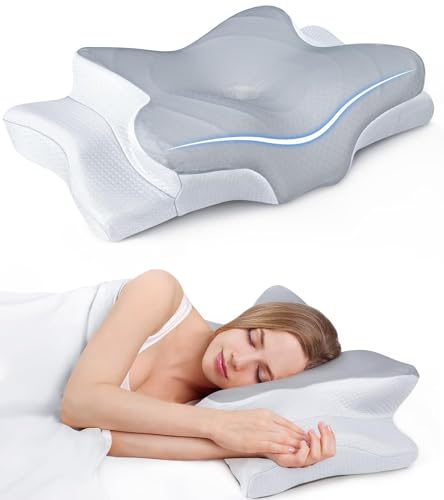
- Cervical or contour pillow: For those who want neck support, though firmness suits only some sleepers.
- Body pillow: Helps side sleepers keep hips aligned or supports comfort during pregnancy; ask your doctor if you are pregnant.
- Wedge pillow: Raises the upper body; talk to a doctor if you are considering it for a medical issue.
- Travel pillow: Compact option for flights and trips.
What Reviewers Often Report
- Beckham Hotel Collection is the frequent budget pick, with the caveat that side sleepers may want more support.
- Coop Home Goods gets high marks for adjustability, with messy refilling as the complaint.
- Tempur options are often called premium and can feel firm.
- Many roundups are affiliate-style; consistency across outlets matters more than a single ranking.
How to Judge a Pillow When You Cannot Try It First
Because you cannot lie on a pillow in a box, use the return policy and the trial terms as part of the decision. Some makers offer a sleep trial, such as the 100-night trial Coop lists, while low-cost pairs may not. Give a new pillow at least a week, because your neck needs time to adjust to a different height. Take notes on how you feel in the morning, not just when you first lie down.
When comparing models, look at the stated loft in inches, the fill type and the cover fabric. Cooling covers or gel fills are marketed for people who run warm, though reviewers do not always agree on how much difference they make. If you share a bed, remember that a pillow that works for you may not suit your partner, and buying two different models is a perfectly good solution.
Guest and spare pillows
Guest rooms usually need medium-soft fiber pillows that cope with all positions. Keep a couple of washable spares so a stained pillow can be swapped quickly. Store spare pillows in breathable cotton bags rather than sealed plastic to avoid trapped moisture.
Final Decision Tips
Match loft to your position first, then choose the fill you find most comfortable, and only then compare price. If you are torn between two models, the adjustable one is the lower-risk purchase because you can change the height later. Wash the cover before first use if the care label allows, air out any new foam as the maker advises, and replace pillows that no longer spring back so your sleeping position stays comfortable.
Frequently Asked Questions
What pillow loft is best for side sleepers?
Usually medium-high to high, enough to fill the space between your shoulder and head. An adjustable pillow lets you fine-tune this.
How often should I replace my pillow?
Many makers suggest every one to two years, sooner if it stays flat, lumpy or stained. Foam may last longer than fiber.
Can pillows cause neck pain?
A pillow that is too high or too low can make a sleeping position uncomfortable. Persistent pain should be discussed with a doctor, since a pillow change may not be the answer.
Are adjustable pillows worth it?
If you are unsure what loft you need, or your preference changes, they offer flexibility. The drawback is the fill handling, which can be messy.
Can I wash my pillow?
It depends on the fill. Fiber pillows are often machine washable, while shredded foam may need spot cleaning or a cover wash. Follow the care tag.
Do I need a pillow protector?
It is not required, but a zippered protector helps keep sweat and dust mites out and extends pillow life. Wash it regularly.