Our Short List of 3

- Best for: Blanketing a whole vegetable bed.
- 3 cu ft bag, 20 lbs
- All-natural wheat straw, thoroughly cleaned
- Water-conserving mulch for gardens, vegetables, and lawn seeding
- Sustainable material
- Best for: Small beds and spot mulching.
- 4 lbs, compressed slab of natural wheat straw
- Moisture retention and weed reduction
- Compostable
- Care instructions: use as mulch around vegetable plants

- Best for: Sloped beds and erosion-prone ground.
- 300 sq ft coverage
- USA harvested long needle pine straw
- Weed control, moisture retention, and erosion control
- Premium pine straw for landscaping
All 4 Picks at a Glance
| Product | Specs | Action |
|---|---|---|
| HealthiStraw GardenStraw |
| Check price on Amazon |
| Double F Farms Premium Natural Straw |
| Check price on Amazon |
| Long Needle Pine Straw Mulch |
| Check price on Amazon |
 Natural Cedar Shavings |
| Check price on Amazon |
Key takeaways
- Four winter mulch materials for vegetable gardens, compared on insulation, coverage, weed control, and how they break down by spring.
Winter mulch decides whether your vegetable beds wake up in spring with protected soil or with frozen, bare ground. The right material insulates roots against freeze and thaw cycles, holds moisture through dry winter wind, and keeps weeds down, while the wrong one mats into a soggy sheet that smothers the soil or blows away in the first storm. The choice is less about the brand on the bag and more about how the material behaves when it is cold, wet, and left alone for months.
This guide is for gardeners protecting overwintering garlic and onions, insulating raised beds, and keeping no-dig beds covered until spring planting. Every product below is a mulch material sold on Amazon, and the specs come from its Amazon product page.
Quick Picks
As an Amazon Associate we earn from qualifying purchases.
| Product | Best for | Key spec from title |
|---|---|---|
| HealthiStraw GardenStraw | Blanketing a whole vegetable bed | 3 cu ft, 20 lbs, all-natural wheat straw |
| Double F Farms Premium Natural Straw | Small beds and spot mulching | 4 lbs, compressed wheat straw slab |
| Long Needle Pine Straw Mulch | Sloped beds and erosion-prone ground | 300 sq ft coverage, USA harvested pine straw |
| Natural Cedar Shavings | Containers and raised beds | 4 quart bag, natural cedar shavings |
How to Choose
Insulation needs air, not a soggy mat
Good winter mulch traps still air around the soil, which is what actually slows freezing. Straw and pine needles do this well because their loose structure leaves gaps, while fine sawdust or shredded leaves can pack into a wet sheet that blocks air and water. Spread mulch loosely rather than tamping it down, and check after heavy rain that it still feels springy under your hand. If a material mats flat and stays wet for days, it is smothering the bed instead of protecting it.
Match the material to how long it must last
Straw breaks down over a single winter and feeds the soil as it rots, which suits beds you will plant in spring. Pine straw and bark nuggets last much longer, so they suit paths, perennial beds, and borders where you want cover to stay put for a year or more. Cedar shavings break down slowest of all and are best for containers and spots you rarely disturb. Pick a fast-rotting material for annual vegetable beds and a slow one for permanent plantings.
Work out coverage before you buy
Mulch is sold by volume or weight, and a small bag that looks generous on screen may cover only a corner of a real bed. Measure your beds first, then check the coverage figure on the listing and how deep the maker expects you to spread it. A 3-cubic-foot bag suits a modest bed, while a whole vegetable plot needs several bags or a full bale. Ordering too little leaves beds half-covered, and winter is the wrong season to discover the gap.
Keep it safe for food beds
Not every mulch belongs near vegetables. Hay looks like straw but carries seed heads that sprout into weeds all spring, so choose straw that is cleaned and sold for garden use. Dyed wood mulches and rubber mulches are made for landscaping, not food beds, and cedar can slow seedlings if it is dug into the soil. Stick to natural, untreated materials for vegetables, keep mulch off the stems, and pull it back in spring so the soil warms up, and confirm the bag lists no added dyes or chemical treatments.
The 4 Best Options
HealthiStraw GardenStraw
- Best for: Blanketing a whole vegetable bed.
- 3 cu ft bag, 20 lbs
- All-natural wheat straw, thoroughly cleaned
- Water-conserving mulch for gardens, vegetables, and lawn seeding
- Sustainable material
Blanketing a whole vegetable bed.
Straw is light, so water it in after spreading or weigh the edges down until it settles.
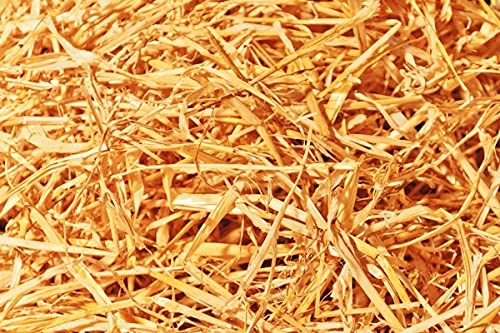
HealthiStraw GardenStraw is the best choice for covering a whole vegetable bed before winter. The 3-cubic-foot bag holds 20 pounds of all-natural wheat straw that is thoroughly cleaned, so you can spread it thick without dragging in a load of weed seed. Straw is the classic winter mulch for vegetables because it insulates without packing down, lets rain through, and breaks down into organic matter by spring. The listing describes it as water-conserving, which matters when winter wind dries exposed soil. Use it around garlic, onions, and overwintering greens.
Double F Farms Premium Natural Straw
- Best for: Small beds and spot mulching.
- 4 lbs, compressed slab of natural wheat straw
- Moisture retention and weed reduction
- Compostable
- Care instructions: use as mulch around vegetable plants
Small beds and spot mulching.
One 4-pound bag covers only a small area, so count bags against your bed size before ordering.
Double F Farms Premium Natural Straw suits smaller beds and gardeners who want a compact bag rather than a full bale. Each 4-pound package holds a slab of compressed wheat straw that fluffs up as you spread it, and the listing recommends it as mulch around vegetable plants because it holds moisture in the ground and cuts watering. The straw is compostable, so what is left in spring can be turned into the soil instead of hauled away. It also reduces weeds while it insulates. Buy several bags for a large bed, since one bag covers only a small area.
Long Needle Pine Straw Mulch
- Best for: Sloped beds and erosion-prone ground.
- 300 sq ft coverage
- USA harvested long needle pine straw
- Weed control, moisture retention, and erosion control
- Premium pine straw for landscaping
Sloped beds and erosion-prone ground.
Pine straw turns acidic as it breaks down, so check it suits your crops and soil before heavy use.
Long Needle Pine Straw Mulch is the pick for sloped beds and ground where winter rain washes lighter mulches away. The long needles interlock into a mat that stays put in wind and rain, and the listing credits it with weed control, moisture retention, and erosion control across 300 square feet of coverage. Pine straw breaks down slowly, so it keeps insulating all winter without needing a mid-season top-up. It also lets water through instead of shedding it like a sheet. Spread it thickly around overwintering crops and along bed edges where runoff starts.
Natural Cedar Shavings
- Best for: Containers and raised beds.
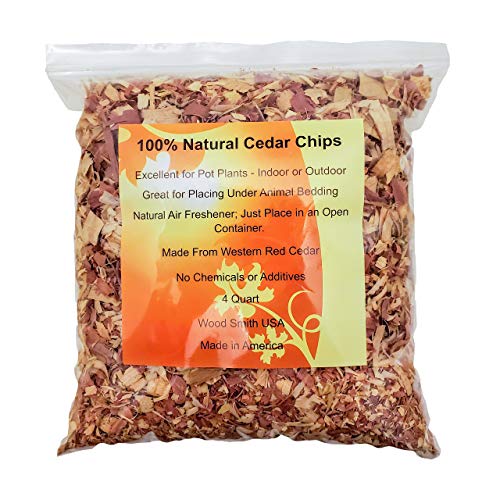
- 4 quart bag, close to 5 quarts of hand-packed shavings
- Natural cedar shavings
- Holds moisture in the soil
- For outdoor and indoor potted plants
Containers and raised beds.
Cedar breaks down slowly and can tie up nitrogen at the soil surface, so keep it on top as mulch and do not dig it in.
Natural Cedar Shavings suit containers, raised beds, and small plots where a little mulch goes a long way. The 4-quart bag holds close to 5 quarts of hand-packed shavings, and the listing says they hold moisture in the soil for indoor and outdoor potted plants. Cedar breaks down slowly, so a single application lasts the whole winter, and its natural scent is a bonus near paths and seating. Because the bag is small, it is best for spot mulching around individual plants rather than blanketing a full bed. Keep it away from direct contact with stems.
Which One Fits Your Situation
Blanketing a whole vegetable bed for winter
Pick HealthiStraw GardenStraw. The 3-cubic-foot bag gives you enough volume to spread a proper insulating layer across a full bed, and the cleaned wheat straw breaks down into organic matter by spring. Water it in after spreading so the first storm does not scatter it, and top up any thin patches before the first hard frost.
Protecting garlic and overwintering onions
Pick a straw mulch, either HealthiStraw GardenStraw for a large planting or Double F Farms Premium Natural Straw for a small one. Garlic and onions need insulation that still breathes, and straw keeps the soil temperature steady without holding a wet mat against the bulbs. Spread it after the ground cools and keep it clear of the shoots as they emerge.
Sloped beds and ground that washes out
Pick Long Needle Pine Straw Mulch. The long needles lock together into a mat that resists wind and running water far better than loose straw, and the 300-square-foot coverage suits a long slope or a row of beds. Lay it thick along the uphill edge first, since that is where runoff starts to move mulch downhill.
Raised beds and containers
Pick Natural Cedar Shavings. A small bag is enough for containers and narrow raised beds, and the slow breakdown means one application lasts all winter without topping up. The shavings hold moisture in potting soil that dries out fast in winter wind. Keep the mulch a finger’s width from stems so trapped moisture never rots the plant.
Common Mistakes
- Piling mulch against stems and crowns, where trapped moisture rots the plant.
- Spreading it too thin, so frost still reaches the roots underneath.
- Using hay instead of straw and importing a season of weed seed.
- Choosing dyed or rubber mulch for a food bed where it does not belong.
- Leaving winter mulch matted and soggy in spring instead of pulling it back so the soil warms.
Frequently Asked Questions
How thick should winter mulch be?
Spread winter mulch about 3 to 4 inches deep over bare soil and around overwintering crops, which is thick enough to slow freezing without smothering the bed. Thin layers under an inch do little against frost, while layers much deeper than 4 inches can stay soggy and block air. Check the bed after heavy rain and fluff up any spots that have matted flat.
When should I apply winter mulch?
Apply it after the soil has cooled and the first light frosts have arrived, usually late autumn. Mulching too early keeps the soil warm and can delay dormancy, while mulching after a hard freeze locks in the cold you meant to keep out. For garlic and onions, mulch once the cloves are planted and the ground has started to cool.
Is straw or wood mulch better for vegetables?
Straw is usually better for annual vegetable beds because it insulates well, lets water through, and rots into the soil by spring. Wood and bark mulches last longer but break down slowly and can tie up nitrogen at the surface, so they suit paths and perennial beds more than yearly vegetable plots. Choose straw for beds you replant each spring.
Do I remove winter mulch in spring?
Pull it back, but do not throw it away. Move the mulch aside once the soil starts warming so sunlight reaches the bed, then use the same material as a summer mulch around growing plants or turn it into the compost pile. Leaving a thick winter layer in place keeps the soil cold and delays germination by weeks.